

How Rising Diesel Prices Are Quietly Reshaping Exploration Programs
In today’s exploration environment, most discussions around project economics focus on drilling costs, assay turnaround times, and commodity prices. But one of the most immediate and consistently underestimated variables is diesel fuel.
At current field prices—now exceeding $6.50 per gallon in parts of Nevada—diesel is no longer a background cost. It is a primary driver of program efficiency, logistics, and ultimately, project success or failure.
1) Diesel Is the Backbone of Field Operations
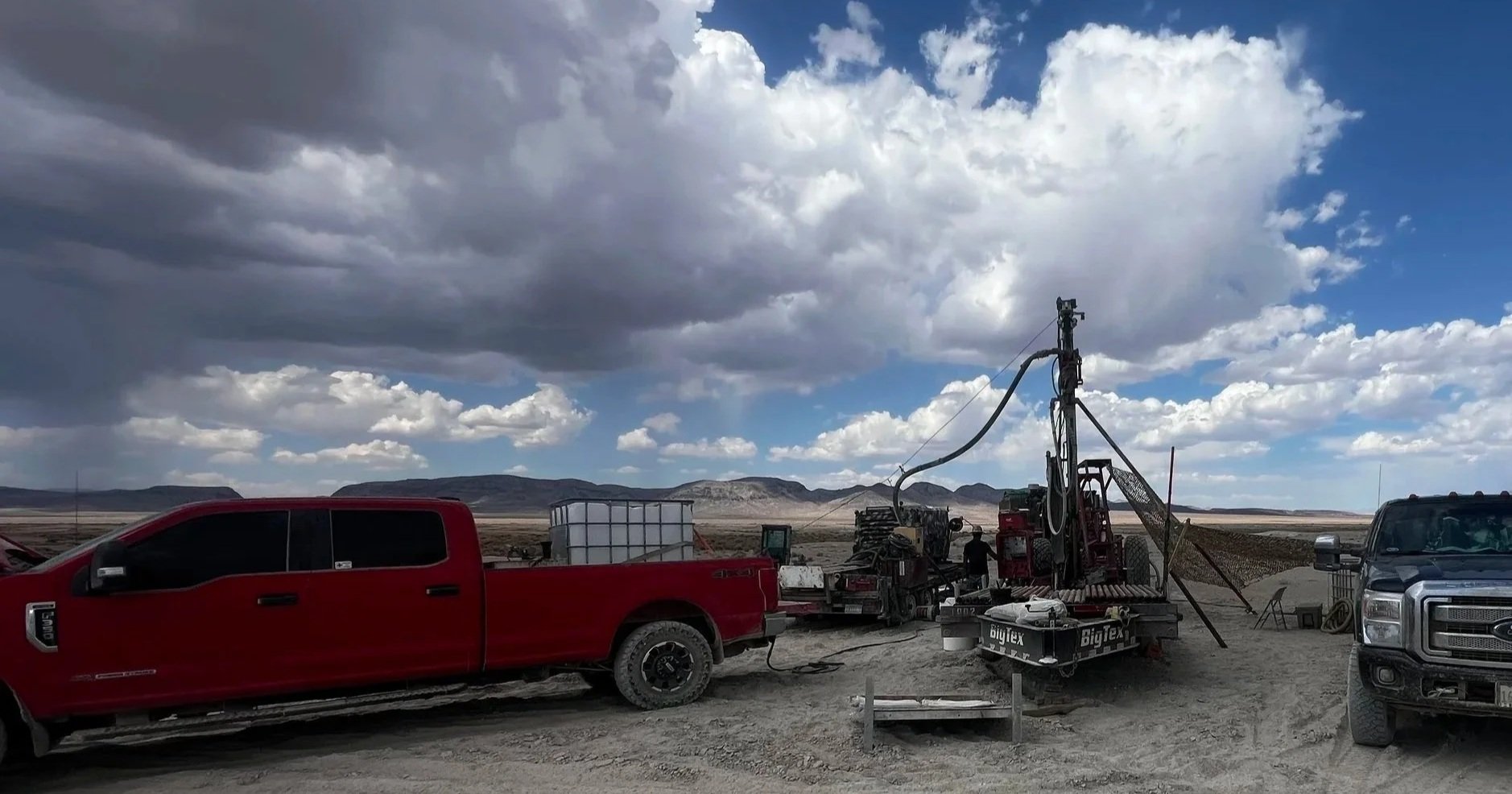
Diesel Rig and Two Diesel trucks at a rig in Nevada
Nearly every component of an exploration or mining program depends on diesel:
Drill rigs (RC and core)
Heavy equipment (excavators, loaders, haul trucks)
Support vehicles and crew transport
Generators and onsite power systems
Water trucks and logistics hauling
When diesel prices rise, every moving part of the program becomes more expensive simultaneously.
2) The Compounding Effect on Cost Per Foot
Drilling costs are often quoted as a flat $/ft rate, but that number is highly sensitive to fuel.
As diesel increases:
Drill contractors raise rates or add fuel surcharges
Penetration rates may decrease if operators try to conserve fuel
Idle time becomes significantly more expensive
Deep targets become disproportionately costly
This leads to a subtle but critical shift:
The cost per foot becomes less important than the cost per successful target.
Programs that miss targets or require re-drilling become exponentially more expensive in a high-fuel environment.
3) Logistics Become a Major Cost Center
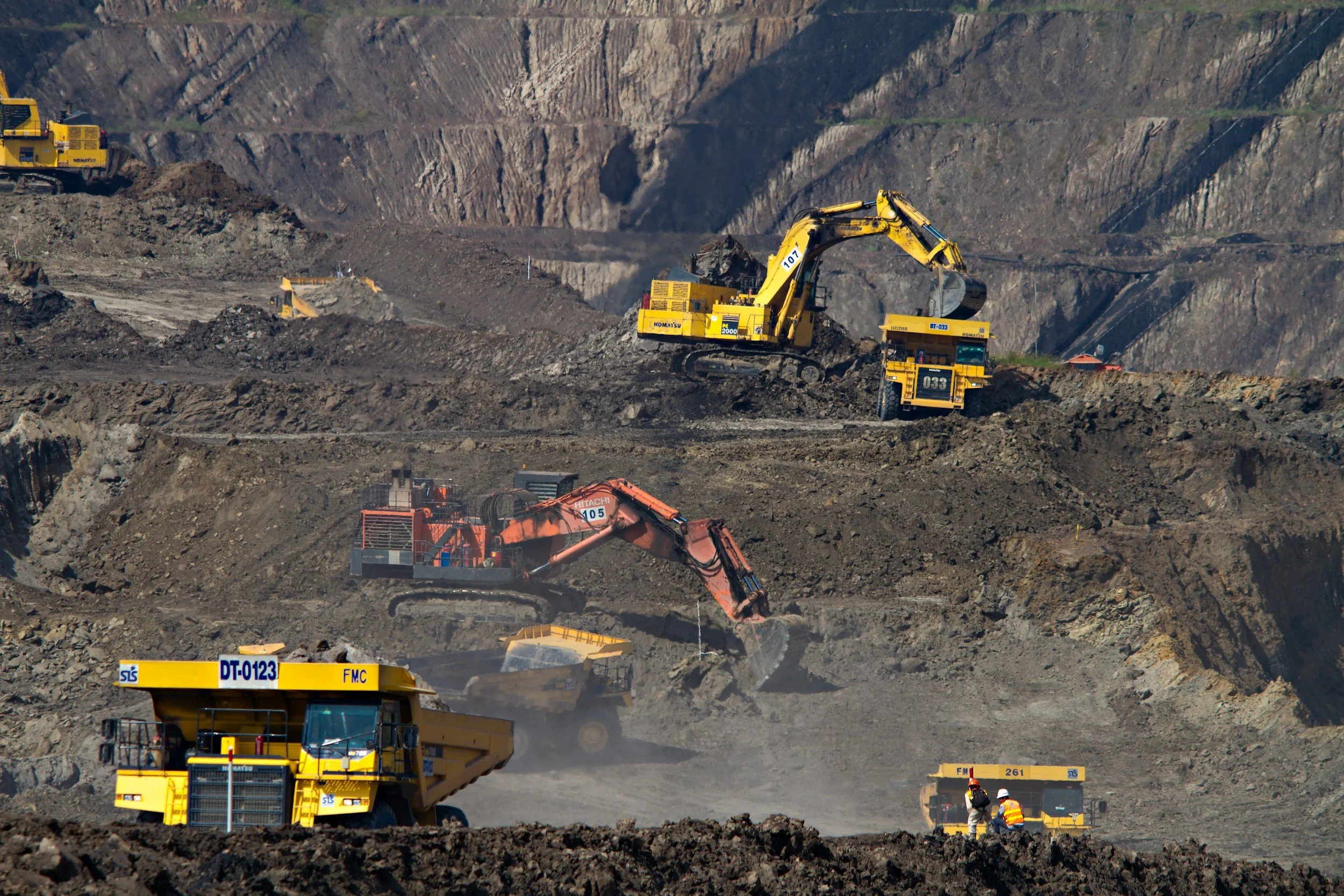
In remote basins like Tonopah and the broader Walker Lane:
Fuel must often be hauled long distances
Equipment mobilization costs increase sharply
Daily commuting distances for crews add up quickly
Supply chain inefficiencies become amplified
A program that looks efficient on paper can quickly become logistically inefficient in reality, driven almost entirely by fuel consumption.
4) Equipment Selection Matters More Than Ever
Higher diesel prices force a re-evaluation of equipment strategy:
Oversized rigs burn unnecessary fuel on shallow targets
Undersized rigs increase drill time (and total fuel consumed)
Poorly matched equipment leads to compounding inefficiencies
The optimal approach is no longer just “get it done”—it’s:
Match the right equipment to the right target, with fuel efficiency in mind.
5) Field Vehicles Are No Longer a Minor Line Item
For geologists and field supervisors running 30,000–40,000 miles per year:
Fuel alone can exceed $0.60 per mile
True operating costs can surpass $1.20 per mile
Undercharging mileage becomes a hidden loss in consulting contracts
This has a direct impact on:
Project management costs
Onsite supervision budgets
Overall program efficiency
6) Strategic Implications for Exploration Programs
High diesel prices are forcing a shift in how successful programs are designed:
A. Better Targeting Upfront
More emphasis on:
Geophysics (e.g., TEM surveys)
Structural modeling
Data integration before drilling
B. Reduced “Exploratory Waste”
Less tolerance for poorly defined targets
Increased focus on probability of success
Greater accountability for drilling decisions
C. Consolidated Operations
Fewer mobilizations
Tighter drill campaigns
Multi-hole pad strategies
D. Depth Strategy Becomes Critical
As targets get deeper (especially in lithium and gold systems):
Fuel costs scale dramatically
Inefficient deep drilling becomes cost-prohibitive
7) The Bottom Line
Diesel prices are no longer just an operational detail—they are a strategic variable.
At elevated fuel costs:
Inefficient programs are exposed quickly
Well-planned programs gain a competitive advantage
The gap between good operators and poor ones widens
In today’s market, success is not just about finding the resource—it’s about finding it efficiently.
